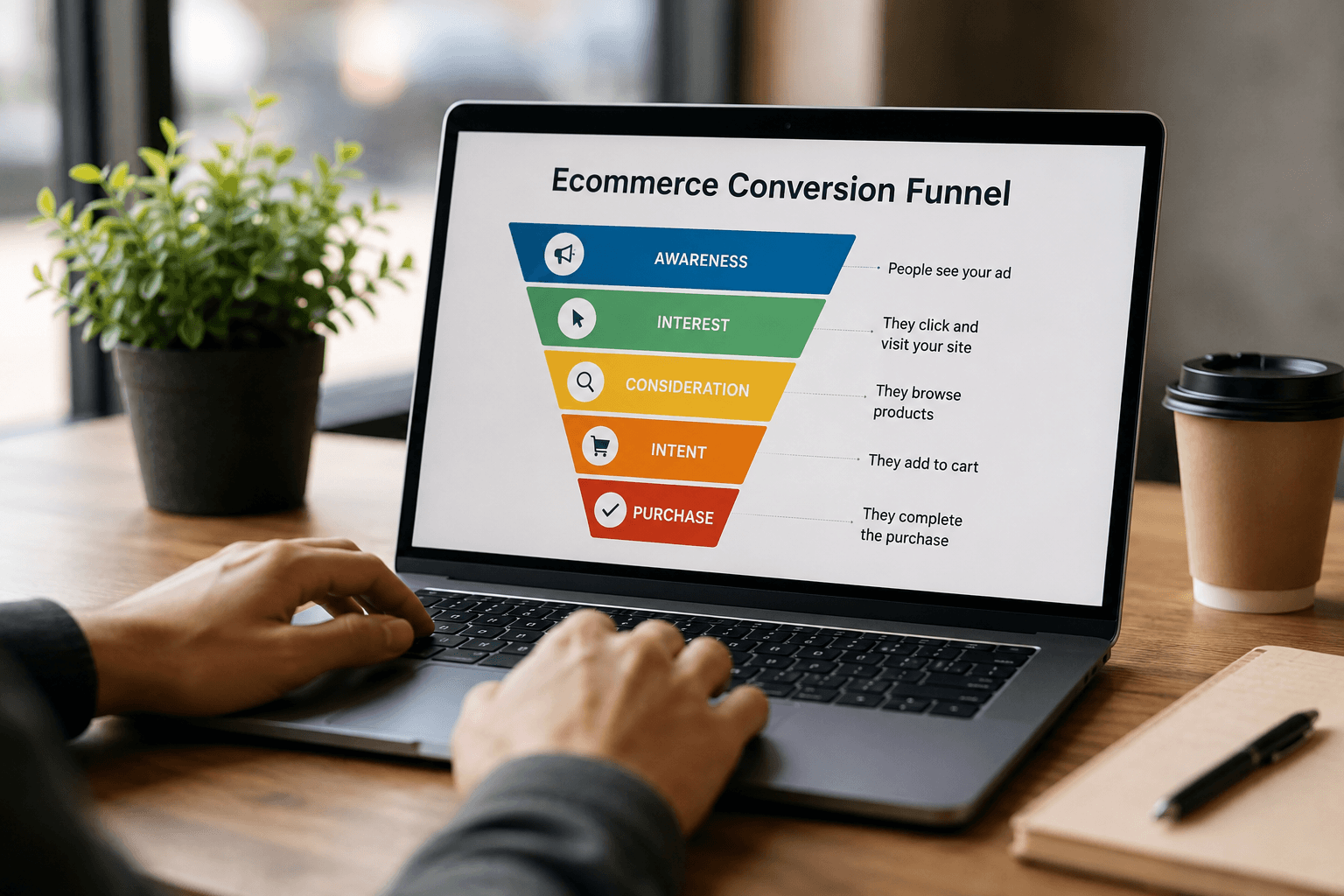

Ecommerce trust signals can make the difference between a completed sale and an abandoned cart. They added your product to cart. Then they left. No purchase, no message—just silence.
If this keeps happening, the problem is rarely your product. It is often weak ecommerce trust signals that quietly push buyers away before they ever reach checkout.
A visitor lands on your store. They like what they see. They even add an item to their cart. Then they pause, scroll around, and leave without buying anything.
This happens to good stores every single day. The products are solid. The prices are fair. But something invisible is stopping the sale, and that something is trust.
Learn more
What Is Dropshipping and How It Differs from Traditional E-Commerce
What Are Ecommerce Trust Signals
Ecommerce trust signals are small proof points on your website that tell a visitor, “This store is safe and real.”
Think of them like handshakes. Before someone hands over their card details, they want a reason to believe you are legitimate.
Common trust signals include:
- Customer reviews and ratings
- Secure payment badges
- Clear contact information
- Real photos, not stock images
- Return and refund policies
Without these, even a great product can feel risky to buy.
Learn more
Amazon Dropshipping Suppliers Not Working Out? Here’s Why Most Sellers Fail in 2026
Why Ecommerce Trust Signals Build Customer Confidence
Many store owners focus on discounts and design. But research from the Baymard Institute shows that a large share of cart abandonment happens because shoppers simply do not trust the site enough to enter payment details.
This means a beautifully designed store can still lose sales if it feels unfamiliar or uncertain. Trust is not a bonus. It is the foundation everything else sits on.
A Real Example
A small home decor store had great photos and fast shipping. Still, sales were low. After adding verified customer reviews and a visible refund policy on the product page, conversions rose by 22% within a month. Nothing else changed except trust signals.
Learn more
Struggling to Find Winning Dropshipping Products? Here’s What Most Sellers Do Wrong (2026)
Common Reasons Weak Ecommerce Trust Signals Hurt Sales
1. Missing Reviews Weaken Ecommerce Trust Signals
If a product page has zero reviews, buyers assume no one else has trusted it either. Even a few honest reviews, good or average, feel more real than a perfect page with none.
2. Missing Contact Details
A store with no phone number, email, or address feels like it could disappear overnight. Buyers want to know a real business stands behind the product.
3. Poor Website Design
Broken layouts, blurry images, or outdated fonts quietly signal “this store is not maintained.” Visitors connect design quality with business quality.
4. Unclear Shipping and Return Policies
If a customer cannot find your return policy in under 10 seconds, they assume you are hiding something. Clarity builds confidence.
5. No Secure Checkout Badges
Payment icons like Visa, PayPal, or SSL badges reassure buyers that their card details are safe. Without them, hesitation creeps in.
How to Build Stronger Ecommerce Trust Signals
Add Verified Customer Reviews
Reviews act as social proof. Real feedback, including photos, helps new visitors picture themselves using the product.
- Ask happy customers to leave a review after delivery
- Reply to negative reviews calmly and helpfully
- Show star ratings near the product title
Display Clear Business Information
Add a visible “Contact Us” page with:
- A working email address
- A phone number, if possible
- A short “About Us” story
This turns a faceless store into a real business people can trust.
Use Secure Payment Badges
Place trusted payment icons near your checkout button. This small visual cue reduces last-minute doubt.
Show a Simple Return Policy
Keep your return policy short and easy to find. A line like “30-day easy returns, no questions asked” builds instant comfort.
Add Real Photos and Videos
Real product photos, unboxing videos, or short customer clips feel more honest than polished stock images. Authenticity builds trust faster than perfection.
How Trust Signals Improve Conversions Over Time
Ecommerce trust signals do not just increase one sale. They build a reputation.
- Trust reduces cart abandonment
- Trust increases repeat purchases
- Trust turns first-time buyers into loyal customers
Over time, a store known for being trustworthy needs less convincing with every new visitor.
Conclusion: Build Trust Before You Chase More Sales
If your products are great but sales still feel slow, do not rush to lower prices or run more ads. Look closely at your ecommerce trust signals first.
Add real reviews. Show your contact details. Keep your policies clear. These small, honest changes remove the doubt that quietly stops customers from buying.
Trust is not built overnight, but every honest signal you add brings you one step closer to a store customers feel confident buying from.
FAQs
A. Customer reviews, secure payment badges, clear contact information, and a visible return policy are the most important trust signals for any online store.
A. Customers often leave because they feel unsure about the store’s safety or reliability, not because of the product itself. This hesitation usually comes from missing trust signals.
A. Yes. Reviews act as social proof and help new visitors feel confident that others have safely bought and enjoyed the product.
A. New stores can build trust through clear contact details, secure checkout badges, honest product photos, and a simple, visible return policy.
A. Yes. A clean, well-organized website signals professionalism, while a messy or outdated design can make visitors doubt the store’s legitimacy.