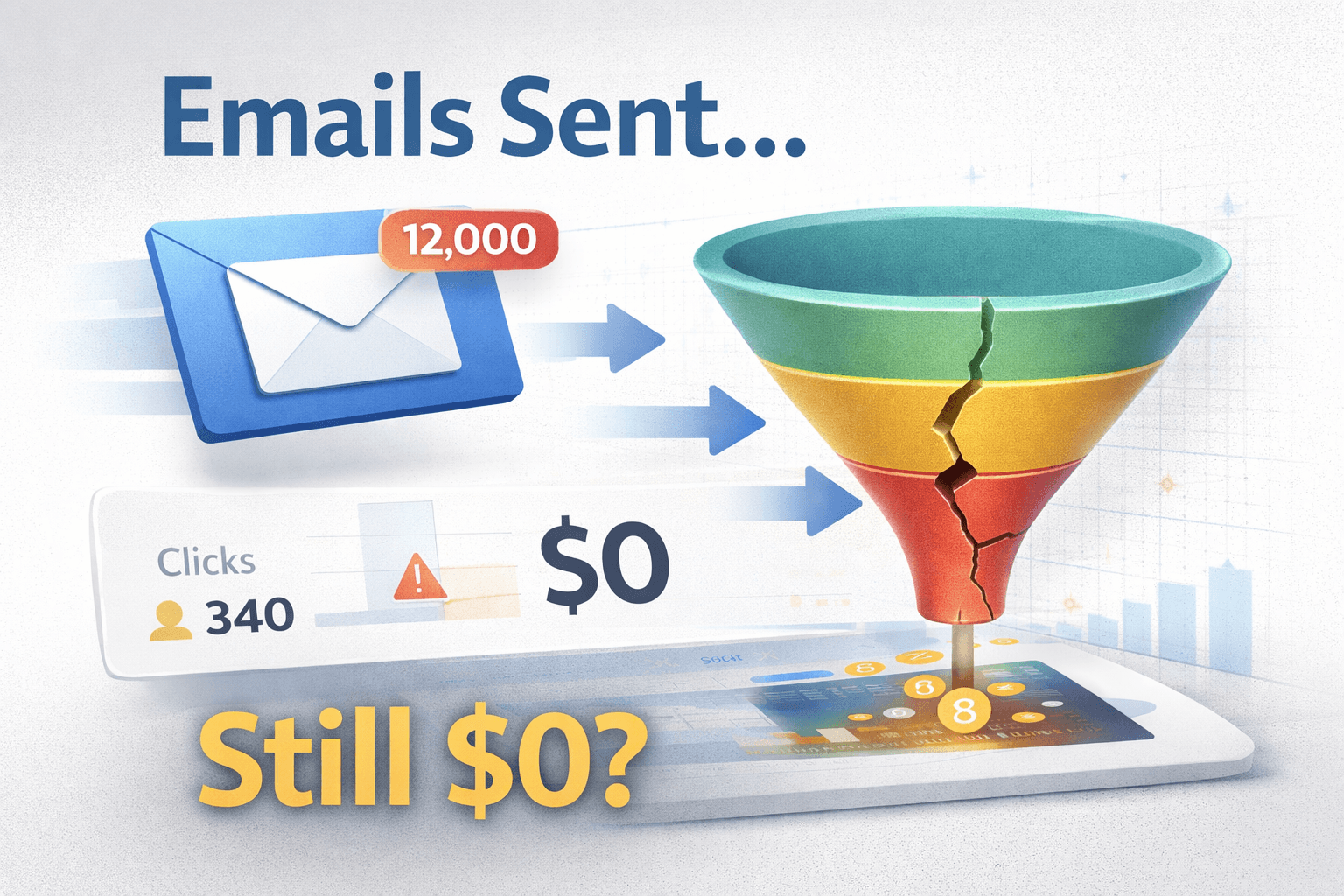

I posted 40 affiliate links in one month. I earned exactly $3.
That number stared back at me from my dashboard like a joke. I had followed every “guide” online and picked good products. I had also shared links on social media, in emails, and on my blog. However, nothing seemed to work. Nothing worked. If this sounds familiar, you are not alone, and this article will show you exactly what changed.
Why Most Affiliate Links Fail (My Early Mistakes)
Back then, I treated affiliate links like ads. So, I dropped them everywhere. However, I never explained why the product mattered. Instead, I focused on sharing links rather than building trust first.
Readers could feel it. They clicked away fast. My click-through rate stayed under 1%, which is far below the 3-5% average many marketers report for well-placed links.
Here is what I was doing wrong:
- Posting links with no context or story
- Promoting products I had never used
- Ignoring where readers were in their buying journey
- Using the same link format everywhere
Learn more
How to Start Affiliate Marketing as a Beginner (Step-by-Step Guide)
The Turning Point: A Small Affiliate Links Test That Changed Everything
One week, I decided to try something different. Instead of promoting several products, I picked one I actually used every day. Then, I wrote a short, honest review and placed just one affiliate link inside a real story about my own problem.
That single post earned more than my previous 40 links combined. This taught me a simple truth: people don’t click links, they click trust.
What I Changed in My Strategy
I stopped guessing and started testing. Small changes made a big difference.
- I used real experience. I only linked products I had personally tried.
- I placed links naturally. Inside helpful sentences, not random spots.
- I limited link count. One or two strong affiliate links beat ten weak ones.
- I tracked performance. I checked which affiliate links earned clicks and which didn’t.
Learn more
What Is Affiliate Marketing and How Does It Work?
How to Place Links That Actually Convert
Placement matters as much as the product itself. Readers skim content, so links need to appear where attention is highest.
Best Spots for Affiliate Links
- Right after you solve a specific reader problem
- Inside a comparison or “what I use” section
- At the end of a helpful tutorial
- In a clear call-to-action button, not buried in text
Formatting Tips That Build Trust
Simple formatting helps readers feel safe clicking. Bold the product name once. Add a short disclosure line. Keep the surrounding text honest, not salesy.
Learn more
How to Join the Amazon Affiliate Program and Start Earning
Choosing the Right Affiliate Programs
Not every affiliate program pays well or fits your audience. I learned to check three things before joining any program:
- Commission rate — Does it match the effort of promotion?
- Cookie duration — How long do you get credit after a click?
- Product relevance — Does it truly help your reader?
Amazon Associates works well for beginners because of its huge catalog. Niche programs, however, often pay higher commissions for smaller audiences.
Real Results After 90 Days
After changing my approach, my numbers looked very different:
| Metric | Before | After 90 Days |
|---|---|---|
| Monthly clicks | 40 | 620 |
| Conversion rate | 0.5% | 4.2% |
| Monthly earnings | $3 | $410 |
This case study is not about magic tricks. It is about consistency, honesty, and smart placement of affiliate links over time.
Simple Rules I Follow Today
- Only promote what I trust
- Always disclose affiliate relationships clearly
- Test one change at a time
- Review link performance monthly
Conclusion: Your Affiliate Links Can Work Too
Affiliate links are not broken. Poor strategy is usually the real problem. Start with one honest recommendation. Track your results. Adjust slowly, and let trust guide every link you share. Eventually, your first real sale could be closer than you think.
FAQs
A. Affiliate links are special tracking links. When someone buys through your link, you earn a small commission from the seller.
A. Fewer is better. One or two relevant affiliate links usually convert better than ten scattered links.
A. Yes. Most countries require a clear disclosure telling readers you may earn a commission from the link.
A. Low trust, poor placement, or promoting products you haven’t used are the most common reasons they don’t convert. Build trust first and recommend products honestly
A. Amazon Associates is a popular starting point because it offers a wide product range and simple approval.