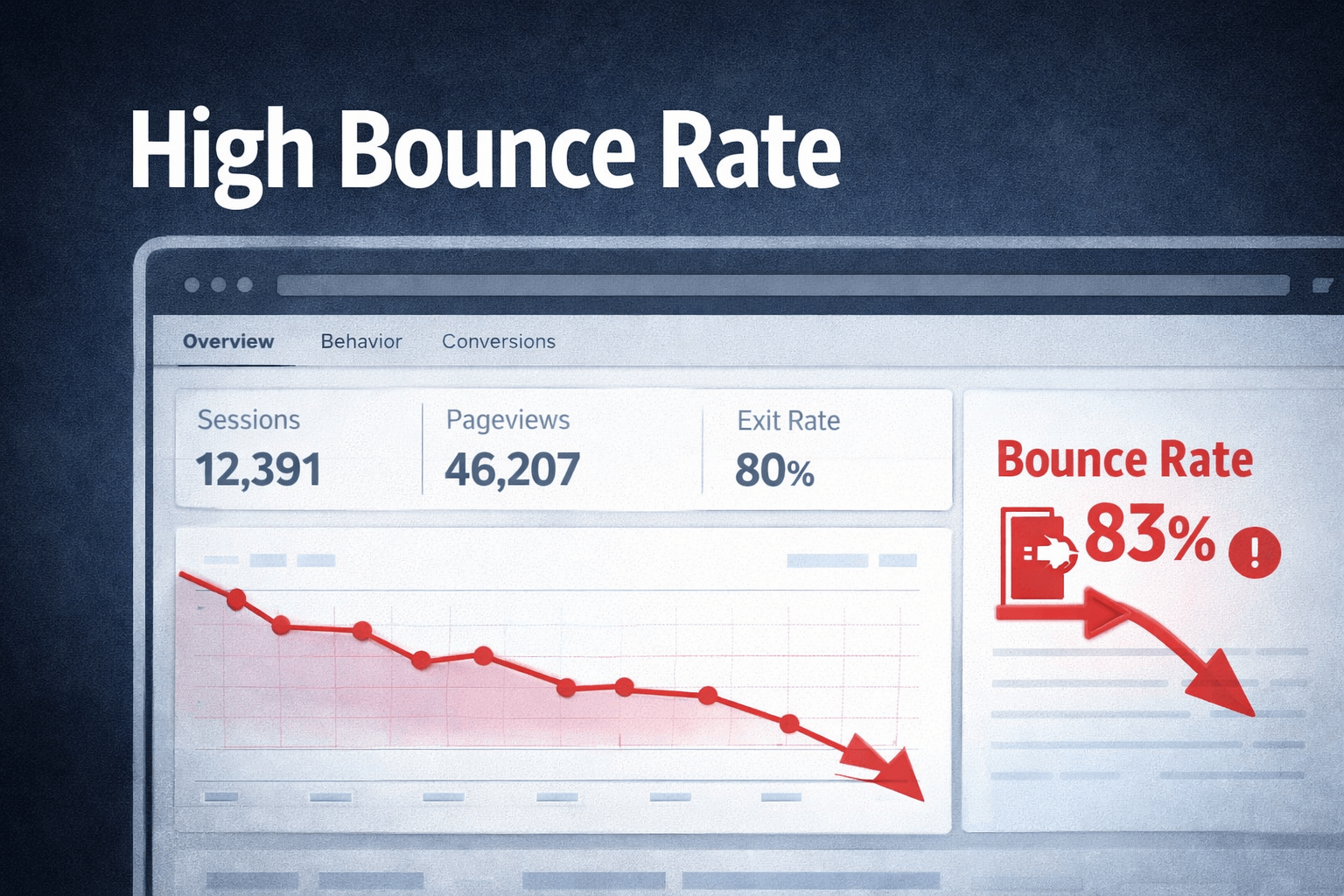

AdSense low RPM can feel confusing when your traffic is growing but your earnings do not match.
You see visitors coming in every day, but revenue stays almost the same.
I went through this on a US focused blog where traffic crossed 10k sessions, yet earnings stayed low. That is when I stopped blaming traffic and started analyzing what kind of traffic I actually had.
That decision changed everything.
AdSense Low RPM Why Traffic Alone Did Not Increase Earnings
At first, I believed more visitors would automatically increase revenue.
It did not happen.
The problem was not traffic. The problem was who was visiting and what they wanted.
I noticed something important.
Most users were reading content but had no intent to click ads.
That is where RPM dropped.
ALSO READ
Start Blogging for Money in 2026: Beginner Guide
AdSense Low RPM What My Data Revealed
When I reviewed analytics, I focused on three things:
- Traffic location
- User behavior
- Content type
What I found
- A large portion of traffic came from low value regions
- Users were leaving quickly after reading
- Content solved basic queries, not high value problems
This explained why earnings stayed low despite traffic growth.
Why Traffic Intent Matters More Than Traffic Volume
Here is the shift that changed my results.
Traffic without intent does not generate revenue.
Users who are just reading do not interact with ads the same way as users looking for solutions.
AdSense Low RPM How High Value Traffic Actually Looks
- Searching for solutions
- Comparing tools
- Ready to take action
Low value traffic looks like this
- Casual reading
- General curiosity
- No urgency
Once I understood this, I changed my content strategy.
Why Content Strategy Impacts AdSense Low RPM
My earlier content focused on broad topics.
That was the mistake.
Before
- General guides
- Basic information
- Wide audience targeting
After
- Specific problems
- Clear solutions
- Targeted audience
Example change
Instead of writing
“Blogging tips for beginners”
I wrote
“How to fix blog traffic drop in 30 days”
This shift improved engagement and ad performance.
ALSO READ
Web Hosting WordPress: How to Choose the Best Domain and Hosting for Blogging
Why Ad Placement Quietly Controls AdSense Low RPM
I did not change my ads at first.
But placement was hurting performance.
What was happening
- Ads were placed where users never looked
- Important sections had no ads
What worked
- Place ads after the first section
- Add ads inside high attention areas
- Keep layout clean
Small adjustments increased interaction.
Why User Behavior Directly Affects Earnings
Another pattern became clear.
When users stayed longer, RPM improved.
Signals that helped
- Better readability
- Clear structure
- Easy navigation
What I improved
- Short paragraphs
- Better flow
- Clear headings
This increased engagement and boosted ad performance.
How I Fixed AdSense Low RPM Step by Step
This is the exact system I used:
- Focused on high value US traffic
- Replaced general content with problem solving topics
- Improved ad placement
- Reduced low intent traffic
- Improved user experience
Within weeks, RPM increased significantly without increasing traffic.
Learn More
Google AdSense Approval Not Getting? Here’s What’s Stopping Your Site in 2026
Quick Reality Check
If your RPM is low, ask yourself:
- Are your visitors ready to take action
- Is your content solving valuable problems
- Are your ads placed where users actually look
If the answer is no, that is your problem.
Conclusion
AdSense low RPM is not caused by low traffic. It is caused by low value traffic.
Once you shift your focus from quantity to quality, everything changes. Better users, better engagement, and better earnings.
Start by fixing your content intent today. That is where real growth begins.
FAQs
A. It usually happens when your traffic has low intent or comes from low value regions.
A. Yes, traffic from countries like the US generally has higher advertiser demand and better payouts.
A. Focus on high intent content, improve ad placement, and target valuable audiences.
A. Yes, problem solving and decision based content usually generates higher earnings.
A. Yes, higher engagement and longer sessions improve ad performance and increase revenue.