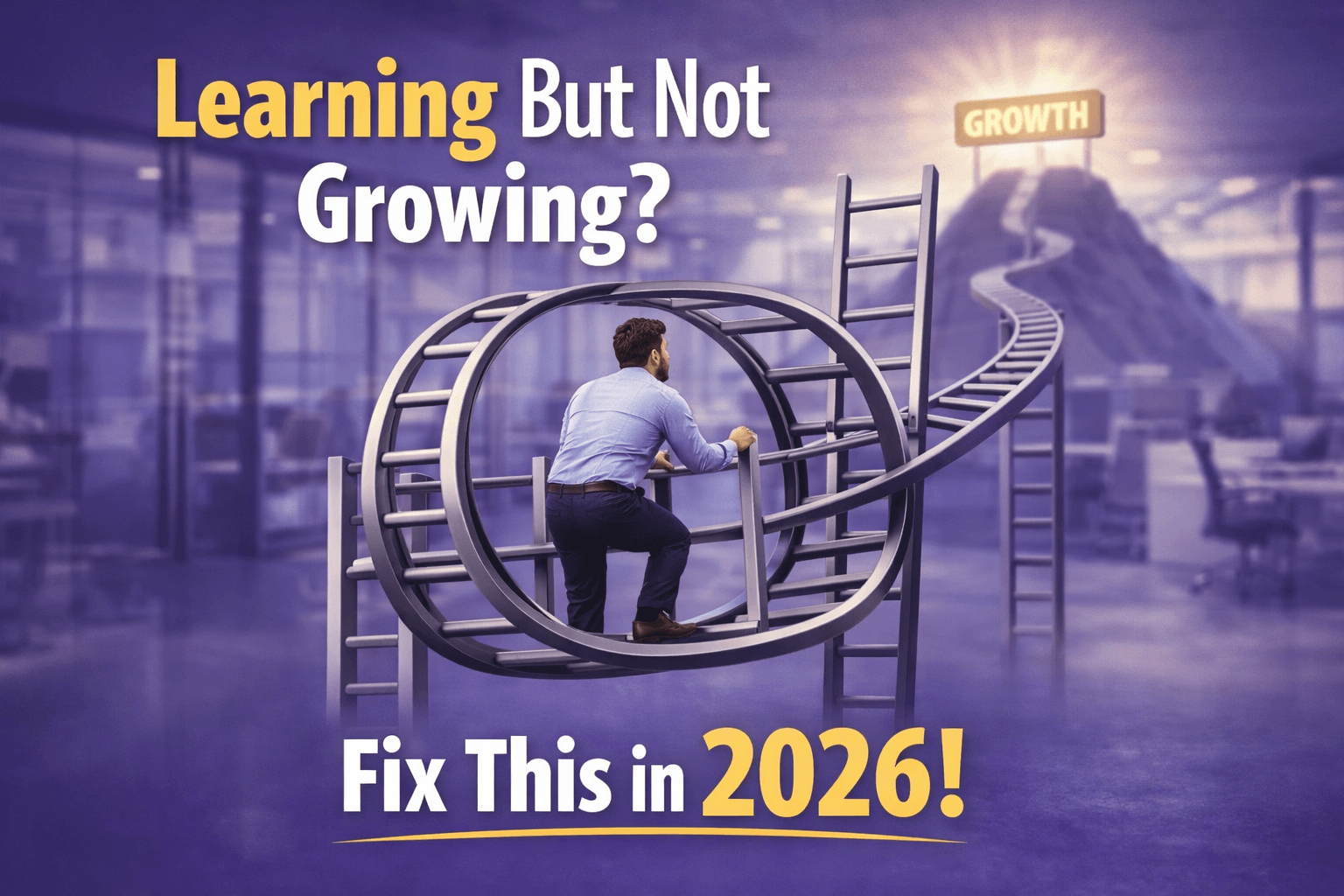

Skills development facilitator duties have become increasingly important in 2026 as individuals and organizations focus more on continuous learning and career growth. Having talent alone is no longer enough clear guidance, structured learning, and skill alignment are what turn potential into real performance.
Skill development means improving abilities to stay relevant, confident, and competitive in a fast-changing world. Whether you are a student, freelancer, or professional, ongoing learning supports both personal and professional progress.
Today, skills development facilitator duties focus on identifying skill gaps, guiding learning paths, and helping people master modern tools, mindsets, and workplace demands. This guide explains what skill development is, why it matters, and how facilitators support long-term growth.
What Is Skill Development Facilitator Duties?
Skill development is the continuous process of identifying your strengths and improving areas that need growth.
It includes both hard skills (like digital marketing or coding) and soft skills (like communication or teamwork).
In simple words skill development turns potential into performance.
ALSO READ
Top 10 Skills Every Freelancer Should Learn First
Skill Development in 2026: What Has Changed
In 2026, skill development is no longer limited to formal education or traditional training programs. Learning has become more practical, flexible, and continuous as technology and work environments change rapidly.
One major shift is the growing demand for adaptable skills. Employers and clients now value problem-solving, digital literacy, and communication alongside technical expertise. This has expanded the role of skill development facilitators, who now focus on mindset, adaptability, and real-world application.
Another important change is the use of online platforms and self-paced learning. Skill development facilitators increasingly guide learners toward relevant tools, resources, and learning paths rather than one-size-fits-all programs.
Because of these changes, skill development in 2026 is about continuous improvement and guided learning helping individuals stay competitive, confident, and future ready.
Why Skill Development Facilitator Duties Matters in 2026
The job market in 2026 looks nothing like it did a few years ago.
Automation, artificial intelligence, and remote work have changed everything and that’s why upgrading your skills is non-negotiable.
Here’s why it’s crucial:
- Keeps You Employable:
New technologies mean new demands. Skill development ensures you’re never left behind. - Boosts Confidence:
Learning something new increases self-worth and helps you take on bigger challenges. - Improves Career Growth:
The more skilled you are, the higher your chances for promotions, raises, and recognition. - Builds Adaptability:
In 2025, change is constant. Skill development helps you stay flexible and future-ready.
Role of Skills Development Facilitator Duties
A skills development facilitator (SDF) plays a key role in helping individuals and organizations grow.
Their duties include:
- Identifying skill gaps in employees or learners.
- Designing training and development programs.
- Monitoring progress and ensuring training effectiveness.
- Advising on career development and learning paths.
Think of an SDF as a coach who helps you unlock your full potential in today’s digital-first world.
Types of Skills You Should Develop in 2026
Here are the most in-demand skills this year:
1. Digital and Technical Skills
- Artificial Intelligence (AI)
- Data Analytics
- Cybersecurity
- Software Development
2. Soft Skills
- Emotional Intelligence
- Critical Thinking
- Leadership
- Communication
3. Freelancing and Business Skills
- Online Marketing
- Sales and Client Management
- Financial Planning
By focusing on these areas, you prepare yourself for the new economy where creativity, adaptability, and innovation matter most.
How to Start Developing Your Skills
Getting started doesn’t have to be hard. Follow these simple steps:
- Identify what’s trending in your industry.
- Choose online learning platforms like Coursera, Udemy, or Skillshare.
- Practice regularly and apply what you learn.
- Find a mentor or skills development facilitator to guide you.
- Track your progress and celebrate small wins.
Real-Life Example Skills Development Facilitator Duties
Sarah, a marketing graduate, upgraded her skills by learning social media analytics and SEO.
Within six months, she doubled her freelance income proving that continuous skill development pays off.
That’s what skill growth looks like in 2026.
ALSO READ
How to Identify Your Strengths and Choose the Right Skill
Conclusion: Grow Your Skills, Grow Your Future
In 2026, opportunities belong to those who never stop learning.
Skill development is your ticket to success, and skills development facilitator duties ensure that learning never stops.
So start today pick one new skill, master it, and keep evolving.
Because your growth story begins the moment you decide to learn something new.
FAQs: Skill Development in 2026
A. Skill development means improving your abilities to perform better in your career or business.
A. They identify training needs, organize learning programs, and help people grow professionally.
A. Because industries are evolving fast learning new skills keeps you competitive and employable.
A. AI, data analysis, digital marketing, communication, and leadership are top priorities.
A. Take an online course, practice daily, and find mentors or communities that support your growth.