
Social media marketing for businesses in 2026 is no longer optional it’s one of the strongest drivers of brand growth, trust, and customer engagement.
Today, your customers are not just scrolling for entertainment. They are discovering brands, comparing services, and making buying decisions on platforms like Facebook, Instagram, LinkedIn, and TikTok.
Successful brands understand that social media marketing for businesses is not just about posting content. It’s about building relationships, staying visible in algorithms, and showing real value consistently.
This guide explains why social media marketing matters more than ever in 2026, how it works for businesses, and how brands can use it strategically for long-term success.
How Social Media Marketing Works
Social media marketing allows businesses to connect with customers in real-time:
- Content Sharing: Posts, videos, and stories reach targeted audiences.
- Engagement: Likes, comments, and shares build relationships.
- Advertising: Paid campaigns target specific demographics.
- Analytics: Measure performance and optimize campaigns.
LSI Keywords: online marketing strategies, social media advertising, digital engagement
ALSO READ
Difference Between Organic and Paid Social Media Marketing
Key Benefits of Social Media Marketing
- Increased Brand Awareness: Reach millions of potential customers.
- Better Customer Engagement: Interact directly with your audience.
- Higher Conversion Rates: Social proof encourages sales.
- Cost-Effective Marketing: Lower cost than traditional advertising.
- Real-Time Feedback: Quickly understand customer needs and trends.
These points highlight expertise, reliability, and authority in social media marketing.
Social Media Trends in 2026
- Video Content Dominance: Short-form videos drive engagement.
- AI and Automation: Chatbots and automated posts save time.
- Influencer Marketing: Partnering with influencers builds trust.
- Social Commerce: Selling directly on platforms is growing.
Businesses must adapt to these trends to stay competitive and credible.
How Social Media Marketing for Businesses Has Evolved in 2026
In 2026, social media platforms prioritize authentic engagement, consistency, and user experience over simple reach.
Here’s what has changed:
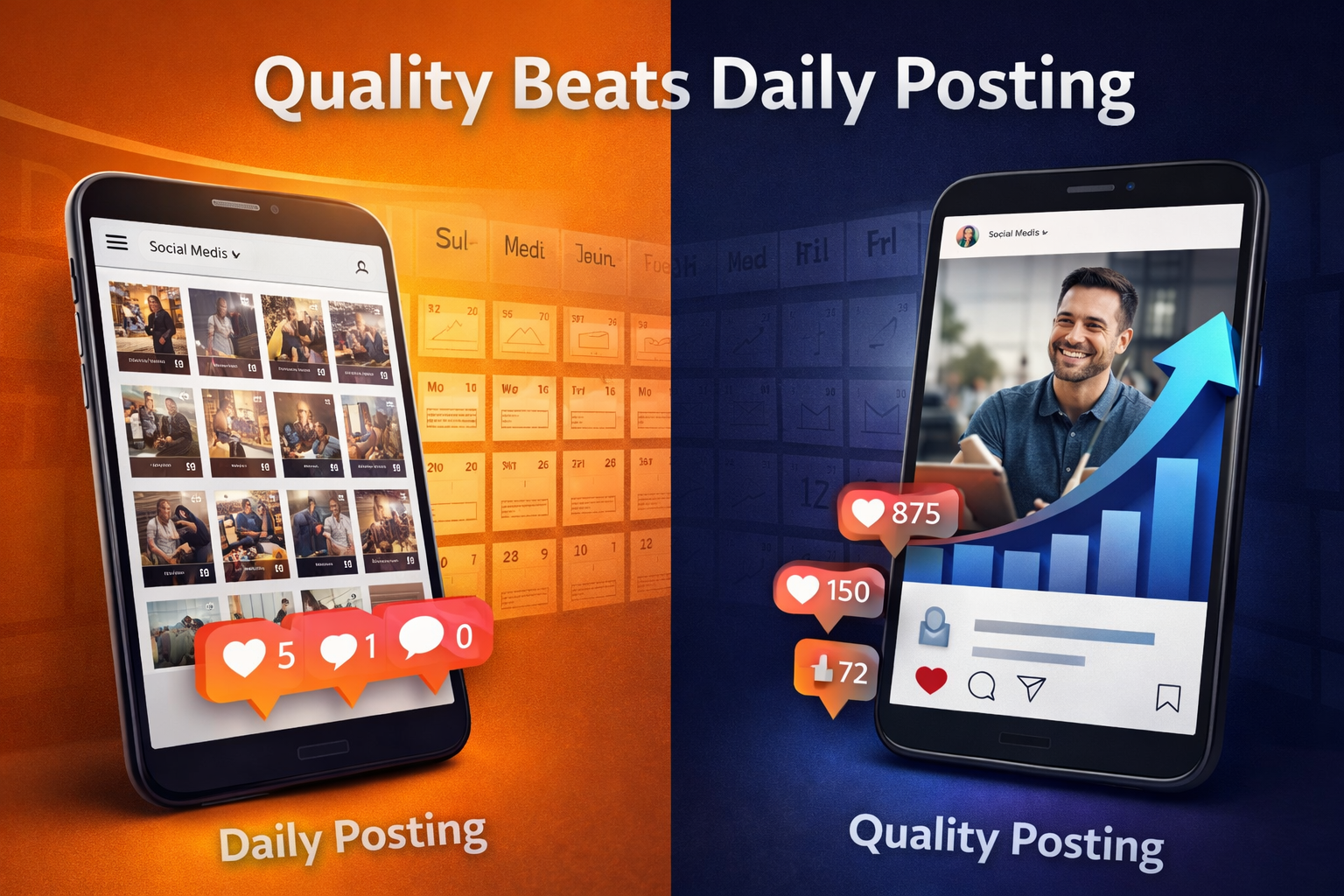
1. Quality Engagement Over Follower Count
Platforms now favor meaningful interactions such as comments, saves, and shares not just likes or follower numbers.
2. Algorithm-Friendly Content
Short-form videos, educational posts, and problem-solving content perform better than promotional posts.
3. Trust & Brand Personality
Businesses that show transparency, behind-the-scenes content, and real customer stories gain more visibility and loyalty.
4. Paid + Organic Balance
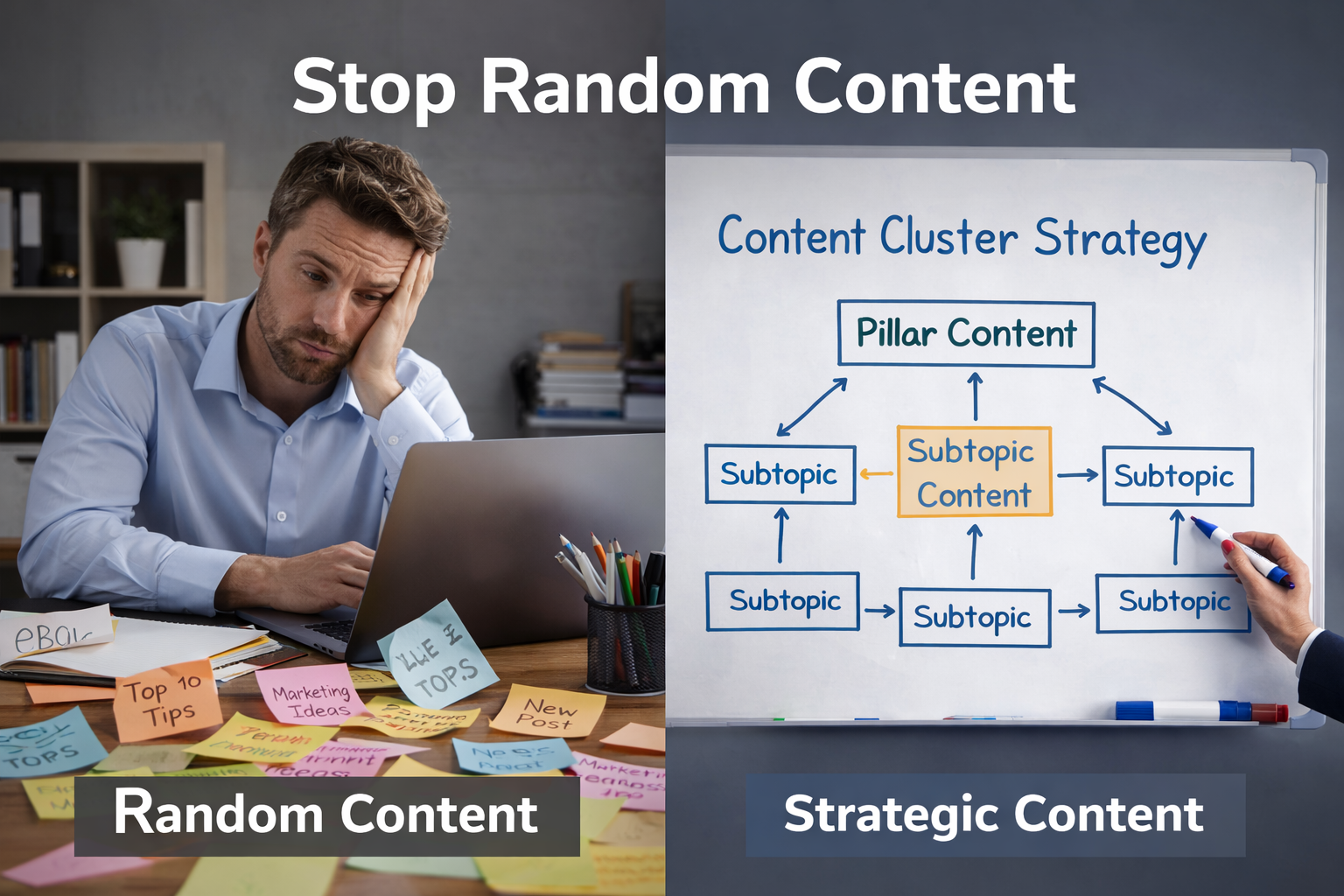
Organic content builds trust, while paid campaigns amplify what already works. Businesses relying on only one struggle to scale.
In 2026, social media marketing for businesses succeeds when brands focus on value-first content, not constant promotion.
ALSO READ
What is Social Media Marketing Service? A Beginner’s Guide
How Businesses Can Maximize Social Media Marketing
- Define target audience and goals.
- Post consistently with engaging content.
- Use paid campaigns strategically.
- Track performance with analytics tools.
- Engage with audience to build loyalty.
Following these steps ensures experience, authority, and trustworthiness in every campaign.
Conclusion
A strong socail media marketing for businesses strategy is essential in 2026.
It boosts brand awareness, engagement, and sales while keeping businesses competitive. By leveraging trends, analytics, and quality content, companies can build trust, authority, and long-term success in the digital world.
FAQs
Q1. What is social media marketing for businesses?
Ans. It’s the process of using social media platforms to promote products, services, and engage with customers.
Ans. Most customers spend time on social media, making it key for brand awareness and sales.
Ans. Facebook, Instagram, LinkedIn, TikTok, and YouTube, depending on your target audience.
Ans. Absolutely. Social media is cost-effective and levels the playing field for small businesses.
Ans. Through metrics like engagement rate, reach, clicks, conversions, and ROI.