
Search engine marketing in 2026 is no longer about tricks or shortcuts it’s about structure, trust, and performance.
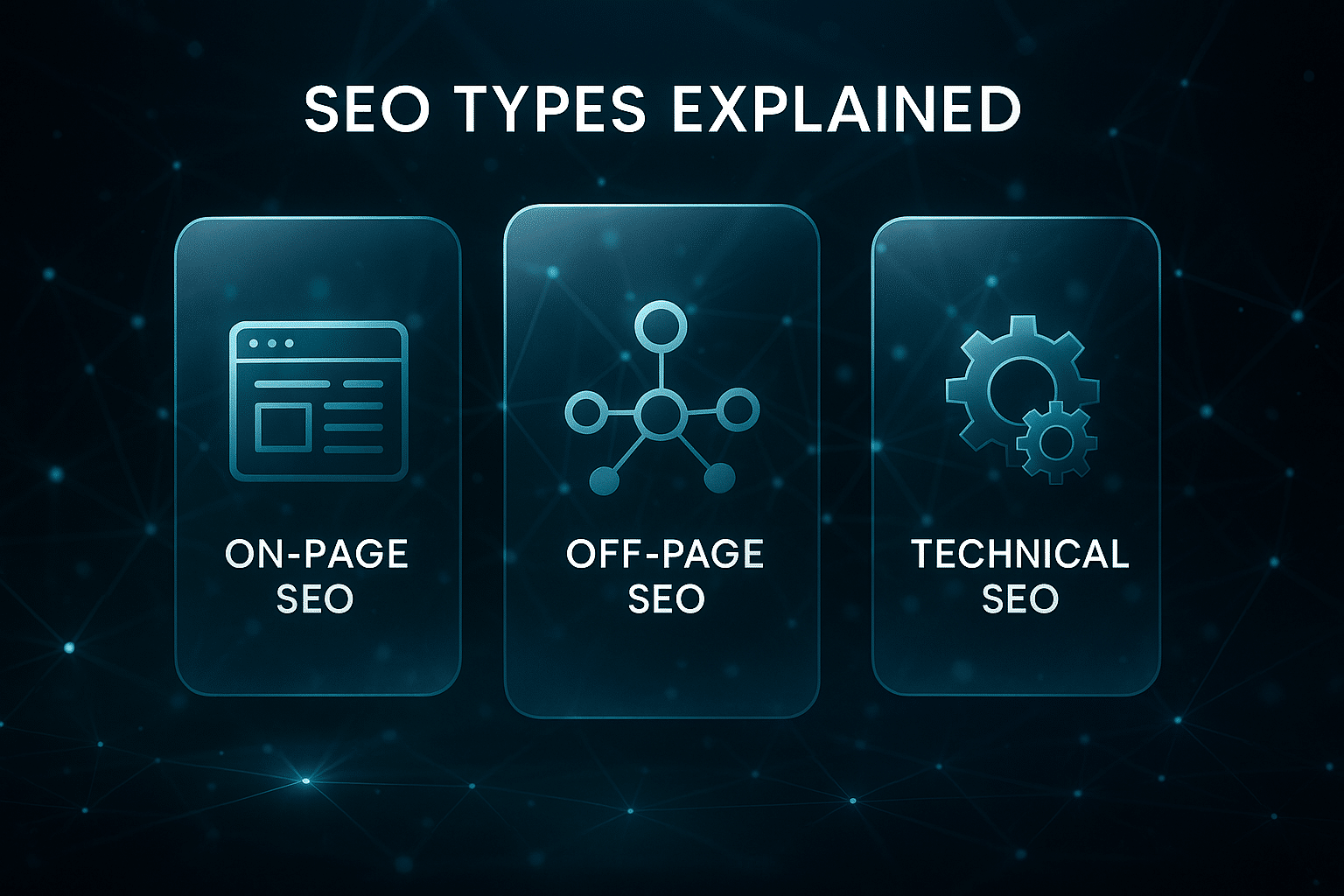
Many websites still fail in SEO not because competition is high, but because they misunderstand the difference between on-page SEO, off-page SEO, and technical SEO.
Based on real-world SEO campaigns and Google’s latest updates, successful search engine marketing now depends on balancing all three pillars. Ignoring even one can limit rankings, traffic, and conversions.
In this guide, you’ll clearly understand how on-page, off-page, and technical SEO differ, how they work together, and how to apply them effectively in 2026 search engine marketing.
What Is SEO in Search Engine Marketing?
SEO (Search Engine Optimization) is the process of improving a website so search engines can find, understand, and rank it.
In search engine marketing, SEO works alongside paid ads to attract the right audience. While ads bring instant visibility, SEO builds long-term trust and organic traffic.
ALSO READ
What is SEO Search Engine Optimization? Beginner’s Guide
What Is On-Page SEO In Search Engine Marketing?
On-page SEO focuses on everything you control inside your website pages.
It helps search engines understand what your content is about.
Key Elements of On-Page SEO
- High-quality content
- Proper keyword use
- Title tags and meta descriptions
- Headings (H1, H2, H3)
- Internal linking
Example
If you write a blog post about SEO basics and optimize headings, keywords, and content clarity, that is on-page SEO.
On-page SEO is the foundation of SEO success.
What Is Off-Page SEO in Search Engine Marketing?
Off-page SEO focuses on actions taken outside your website to improve authority and trust.
Search engines use off-page signals to judge how reliable your site is.
Key Elements of Off-Page SEO
- Backlinks from trusted websites
- Brand mentions
- Social sharing
- Online reviews
Example
When other websites link to your article as a trusted source, your site gains authority. This strengthens your position in SEO results.
What Is Technical SEO?
Technical SEO ensures your website works properly for search engines and users.
It focuses on performance, structure, and accessibility.
Key Elements of Technical SEO
- Website speed
- Mobile friendliness
- Secure HTTPS connection
- Clean URL structure
- Crawlability and indexing
Example
A fast-loading, mobile-friendly website with no broken links is technically optimized. Without technical SEO, even great content may not rank.
Key Differences Between On-Page, Off-Page, and Technical SEO
1. Area of Focus
- On-Page SEO: Content and page elements
- Off-Page SEO: Authority and trust signals
- Technical SEO: Website performance and structure
2. Level of Control
- On-Page SEO: Full control
- Off-Page SEO: Partial control
- Technical SEO: Full control
3. Role in Search Engine Marketing
- On-Page SEO: Helps search engines understand content
- Off-Page SEO: Builds credibility and rankings
- Technical SEO: Makes the site accessible and fast
All three are equally important for strong SEO results.
How These Three SEO Types Work Together
Think of SEO like building a house:
- On-page SEO is the interior design
- Off-page SEO is the reputation of the house
- Technical SEO is the foundation and structure
If one part is weak, the entire house suffers.
How Google Evaluates SEO Types in 2026 Search Engine Marketing
In 2026, Google no longer treats on-page, off-page, and technical SEO as separate checklists. Instead, it evaluates how well they work together to serve real users.
Here’s how Google looks at SEO today:
On-Page SEO: User Intent & Content Quality
Google prioritizes content that directly answers user intent. Keyword stuffing no longer works.
In 2026, strong on-page SEO means:
- Clear answers to search queries
- Helpful, original content
- Proper content structure for readability
Off-Page SEO: Trust & Authority Signals
Google places even more weight on quality over quantity in backlinks.
Mentions from trusted websites, real brand signals, and topical authority matter more than raw link counts.
Technical SEO: Performance & Accessibility
Technical SEO has become non-negotiable.
Google favors websites that are:
- Fast on mobile
- Easy to crawl and index
- Secure and error-free
In modern search engine marketing, Google rewards websites that combine great content, real trust, and smooth technical performance not those focusing on only one area.
Which SEO Type Should You Focus on First?
For beginners:
- Start with technical SEO (fix errors, speed, mobile)
- Improve on-page SEO (content and keywords)
- Build off-page SEO (links and authority)
This order creates a strong base for long-term search engine marketing growth.
ALSO READ
How SEO Digital Marketing Service Works: Google Algorithm Explained Simply
Conclusion search engine marketing
Search engine marketing works best when on-page, off-page, and technical SEO are aligned.
On-page SEO improves content clarity.
Off-page SEO builds trust and authority.
Technical SEO ensures everything runs smoothly.
Instead of choosing one, focus on balancing all three. That is how websites achieve stable rankings, steady traffic, and long-term success.
FAQs search engine marketing
A. Search engine marketing is the use of SEO and paid ads to increase visibility on search engines.
A. No. Both are important and work together to improve rankings.
A. No. Without technical SEO, search engines may not crawl or rank your site properly.
A. SEO usually shows noticeable results within 3–6 months when done correctly.
A. Yes. Even small sites need on-page, off-page, and technical SEO to compete effectively.