An email marketing funnel is not about having 10,000 subscribers.
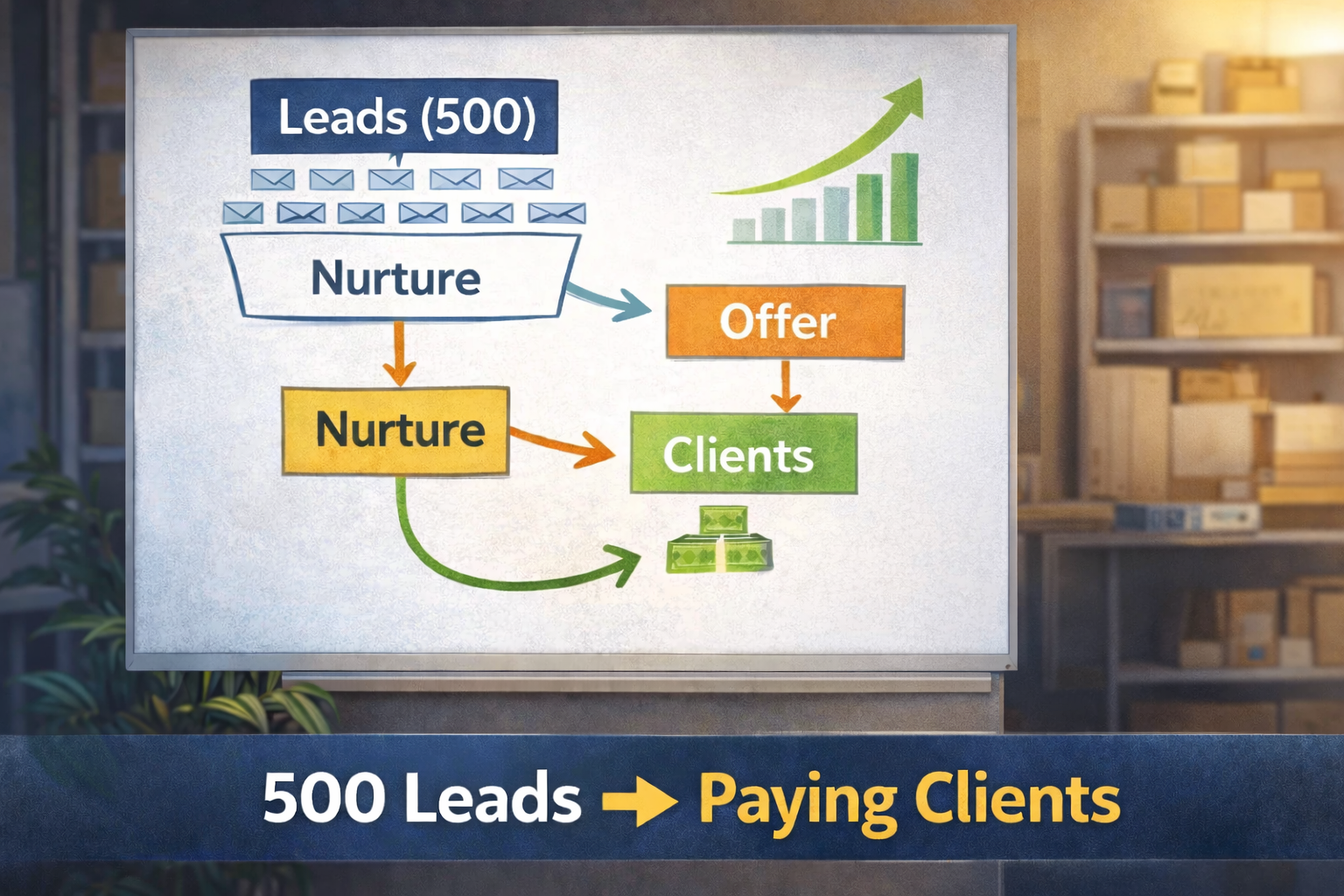
In 2026, smart US brands are turning just 500 leads into consistent paying clients.
If your list feels small, you are not behind. Many businesses struggle not because of size, but because of structure. I have seen startups with 400–600 subscribers generate more revenue than brands with 5,000 contacts. The difference was their funnel system.
Let’s break down what actually works now.
Why Most Email Lists Fail Without a Real Email Marketing Funnel
Many small businesses send random emails:
- Weekly newsletters
- Occasional discounts
- Holiday promotions
There is no journey. No structure.
An effective email marketing funnel guides subscribers step by step from curiosity to purchase. Without it, even strong email campaigns lose power.
ALSO READ
The 2026 Reality: Automation Beats Manual Sending
In 2026, inbox competition is high. People receive dozens of emails daily.
Brands that win use:
- Email automation
- Behavioral triggers
- Clear segmentation
Manual sending cannot match automation speed and relevance.
A Texas-based service brand switched from weekly manual emails to an automated funnel. Within three months, their conversion rate increased by 31%. Same list. Better system.
The 5-Stage Email Marketing Funnel That Converts
Here is the framework US brands are using:
1. Lead Magnet Entry Point
Offer something useful:
- Free guide
- Discount code
- Webinar access
- Checklist
This builds trust immediately.
2. Welcome Sequence (First 5 Emails)
Your welcome series should:
- Introduce your brand story
- Explain the problem you solve
- Provide value
- Show proof
- Present a soft offer
Most revenue in an email funnel comes from this stage.
3. Nurture Phase
After the welcome flow, move into education.
Send:
- Case studies
- Tips
- Customer stories
- Helpful insights
This builds authority and keeps subscribers engaged.
4. Strategic Offer Campaign
Now you sell.
Not randomly. Not aggressively.
Use:
- Limited-time offers
- Bonuses
- Clear benefits
- Strong call-to-action
Relevance matters more than frequency.
5. Re-Engagement Flo
Inactive subscribers reduce deliverability.
Create a simple re-engagement campaign:
- “Still interested?”
- Special comeback offer
- Survey email
Clean lists convert better.
Revenue Math: Why 500 Leads Are Enough
Let’s simplify.
If you have:
- 500 subscribers
- 5% conversion rate
- $200 average offer
That equals $5,000 revenue.
You do not need 10,000 contacts. You need:
- Better segmentation
- Stronger offer
- Clear automation
The power is in the system.
Common Email Funnel Mistakes to Avoid
Avoid these errors:
- Selling in every email
- No segmentation
- Ignoring mobile optimization
- Overcomplicated automation
Keep it simple and structured.
Email Automation Tools That Support Funnel Growth
For small US businesses, tools like:
- CRM with email automation
- Basic segmentation features
- Analytics tracking
are enough to build a strong email marketing funnel.
You do not need enterprise software. You need clarity.
What Makes a Funnel Work in 2026
An effective funnel in 2026 focuses on:
- Personalization
- Clear value
- Simple language
- Behavioral triggers
- Revenue tracking
Stop chasing list size. Start building structure.
ALSO READ
Why Email Marketing Still Works in 2026
Conclusion
An email marketing funnel is the difference between random emails and predictable revenue.
In 2026, US brands are not winning because they have huge lists. They are winning because they use automation, segmentation, and structured offers.
If you have 500 leads, you have enough.
Build your funnel. Improve your flow. Focus on revenue per subscriber.
Start today. Optimize one stage this week.
FAQs
A. An email marketing funnel is a structured sequence of emails that guides leads from signup to purchase using automation and segmentation.
A. Yes. With a 3–5% conversion rate and a strong offer, even 500 leads can produce steady income.
A. A basic funnel includes a 5-email welcome sequence, nurture emails, and targeted offer campaigns.
A. Yes. Automation improves timing, personalization, and consistency, which increases conversions.
A. Start by building a structured welcome sequence and segmenting your subscribers based on behavior.