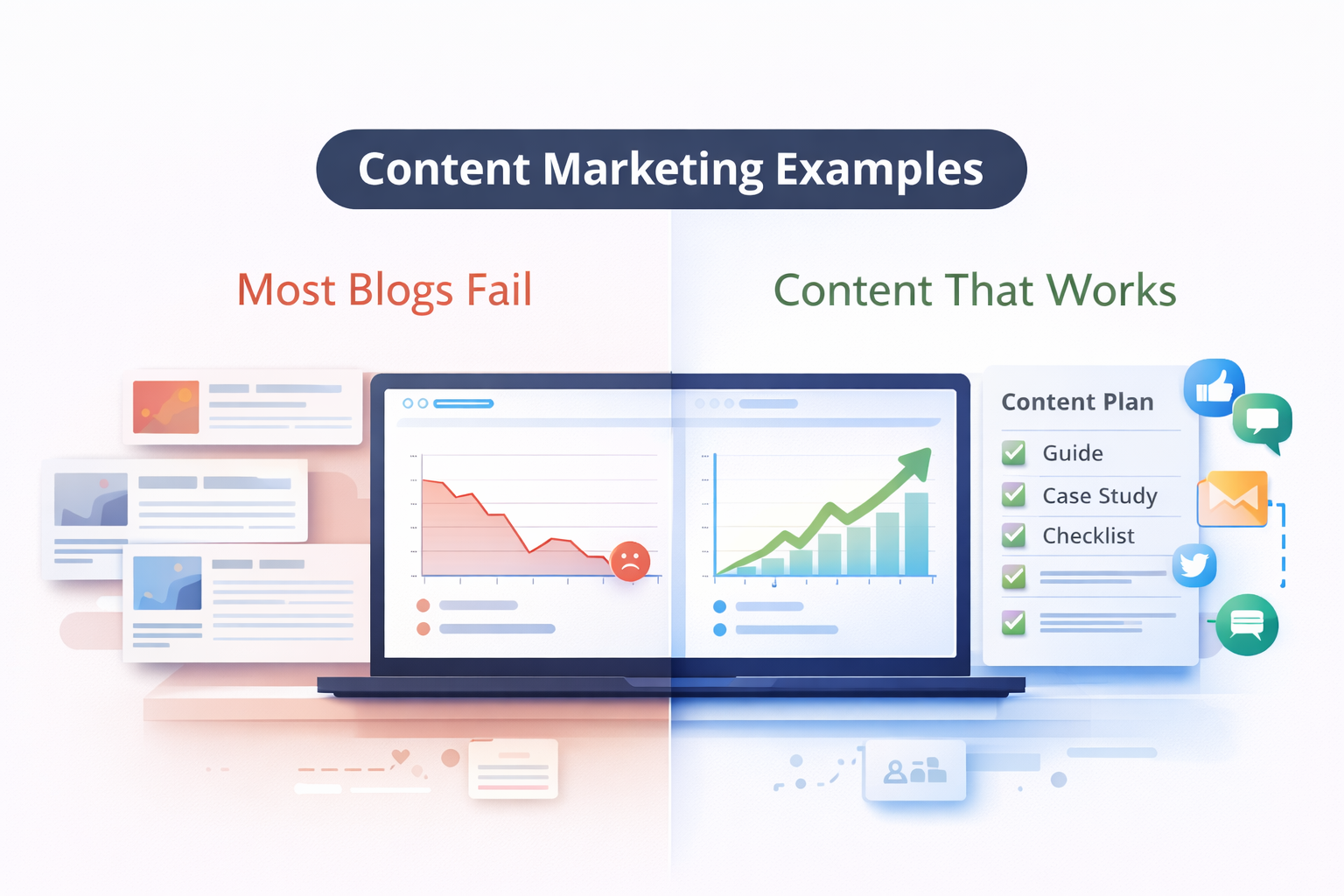

content marketing metrics are the difference between guessing and knowing whether your content actually works.
Many businesses publish blog posts, videos, and social media content every week. Yet they still struggle to understand what is driving real results.
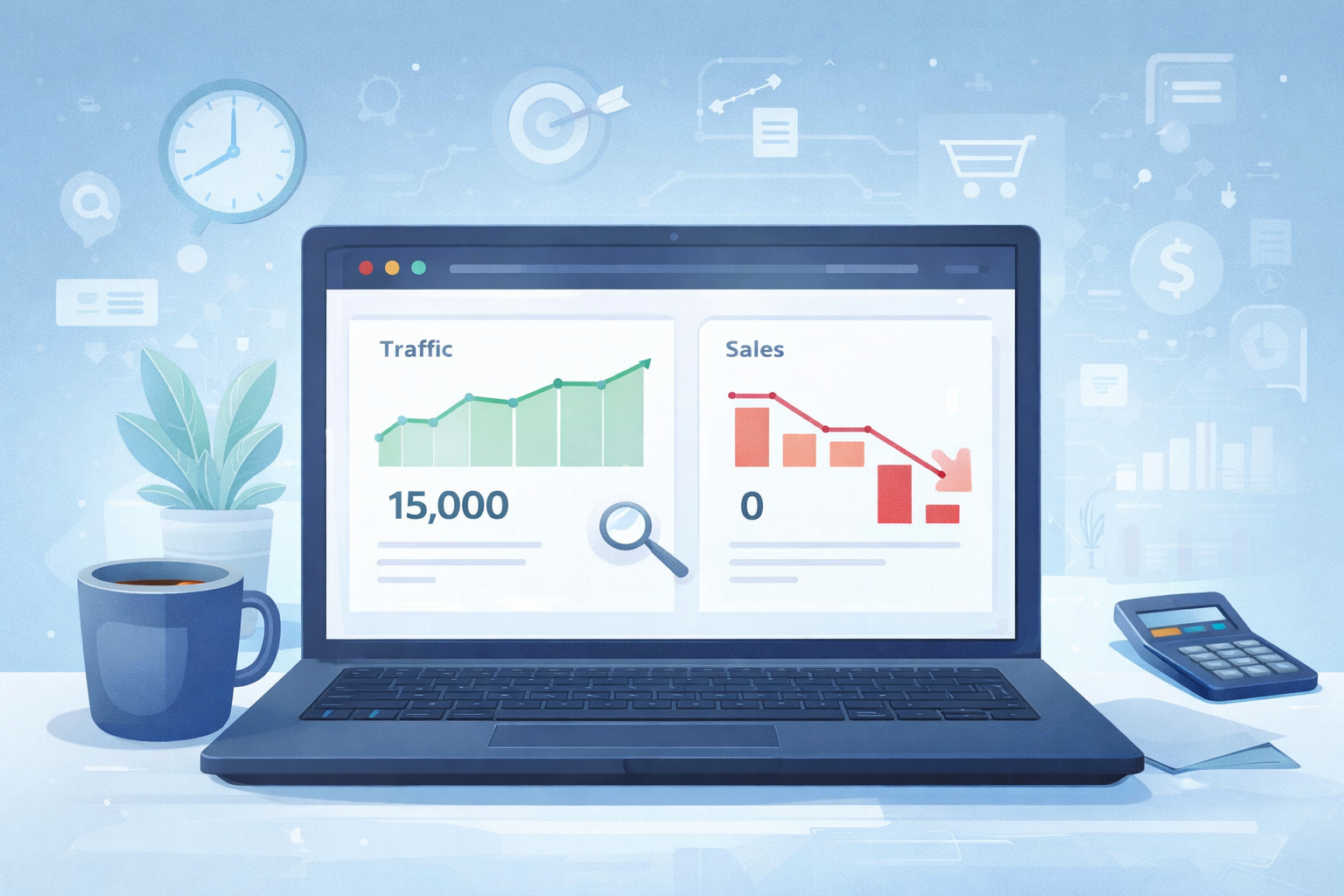
The truth is simple: traffic alone does not prove success. In 2026, smart marketers focus on content marketing metrics that measure engagement, leads, and conversions.
What Are Content Marketing Metrics in 2026
content marketing metrics are data points used to measure how well your content performs.
They help marketers answer key questions such as:
- Is my content attracting the right audience?
- Are readers engaging with my content?
- Is my content generating leads or sales?
These metrics turn content marketing from guesswork into a data-driven strategy.
Examples of common metrics include:
- website traffic
- engagement rate
- lead generation
- conversion rate
When tracked properly, these numbers reveal what content truly works.
ALSO READ
Why Most Content Gets Traffic But No Leads in 2026 (Content Funnel Fix)
Why Content Marketing Metrics Matter for Business Growth
Many companies focus only on publishing content. However, successful brands track performance carefully.
Without content marketing metrics, businesses cannot identify:
- which content attracts customers
- which topics drive conversions
- which platforms produce results
According to marketing research from HubSpot, companies that track marketing performance are significantly more likely to achieve positive ROI.
This is why modern marketers rely on content performance metrics rather than assumptions.
Content Marketing Metrics That Actually Measure Success
Not every metric matters equally. Some numbers look impressive but do not drive business results.
Here are the most valuable content marketing metrics in 2026.
1. Organic Traffic
Organic traffic measures how many visitors arrive from search engines.
It helps answer an important question:
Is your content visible in search results?
Growing organic traffic usually indicates strong SEO performance.
2. Engagement Metrics
Engagement shows how people interact with your content.
Important engagement indicators include:
- time on page
- scroll depth
- social shares
- comments
High engagement suggests your content is useful and relevant.
3. Lead Generation
One of the most important marketing performance indicators is lead generation.
This measures how many readers take actions such as:
- subscribing to a newsletter
- downloading a guide
- signing up for a free trial
Content that generates leads has real business value.
4. Conversion Rate
Conversion rate measures how many visitors become customers or subscribers.
Even small improvements can create major results.
For example:
- 1,000 visitors
- 2% conversion rate
- 20 leads
Increasing conversion to 4% doubles the leads without increasing traffic.
5. Customer Acquisition Cost
This metric shows how much it costs to acquire a customer through content marketing.
Lower acquisition costs often indicate that your content strategy is working efficiently.
Real Case Study: Using Content Marketing Metrics to Improve Results
A small SaaS startup published regular blog posts but saw limited business growth.
Their website received 5,000 monthly visitors, but leads remained low.
After analyzing their content marketing metrics, they discovered an important insight:
Traffic was high, but engagement and conversion rates were weak.
What They Changed
They improved:
- article structure
- calls-to-action
- internal linking
They also added downloadable resources such as checklists and templates.
Results After Three Months
- engagement increased by 35%
- email subscribers doubled
- conversion rates improved significantly
The content did not change dramatically. The difference came from understanding key marketing metrics.
ALSO READ
SEO Content Writing in 2026: How US Freelancers Can Use AI Without Getting Penalized
Simple Framework to Track Content Marketing Metrics
Tracking performance does not need to be complicated.
Use this simple three-step system.
Step 1: Define Your Goal
Start by identifying the purpose of your content.
Common goals include:
- increasing traffic
- generating leads
- building brand awareness
Step 2: Choose the Right Metrics
Select metrics that align with your goal.
Examples:
- traffic → organic visits
- engagement → time on page
- conversions → sign-ups or purchases
Step 3: Analyze and Improve
Regularly review your key marketing metrics.
Then optimize content based on real data.
Small adjustments often produce significant improvements.
Conclusion
Creating content without measurement is like driving without a map. You may move forward, but you do not know if you are heading in the right direction.
In 2026, successful businesses rely on content marketing metrics to understand what works and what does not.
By tracking traffic, engagement, leads, and conversions, marketers can improve content performance and generate real business results.
Start today by identifying the metrics that matter most for your goals. When you measure the right things, your content strategy becomes much more powerful.
FAQs
Content marketing metrics are data points that help measure the performance of your content. They show whether your content attracts traffic, engages readers, and generates leads.
Important metrics include organic traffic, engagement rate, lead generation, and conversion rate. These indicators show whether content is producing meaningful results.
Businesses usually track metrics using tools such as Google Analytics, marketing dashboards, and SEO platforms that measure traffic and engagement.
Digital competition is increasing, so businesses must rely on data to improve strategies. Metrics help identify which content drives growth.
Yes. Even small websites can improve performance by tracking simple metrics like traffic, engagement, and lead generation.