
The deal is closed.
The client says “Yes.”
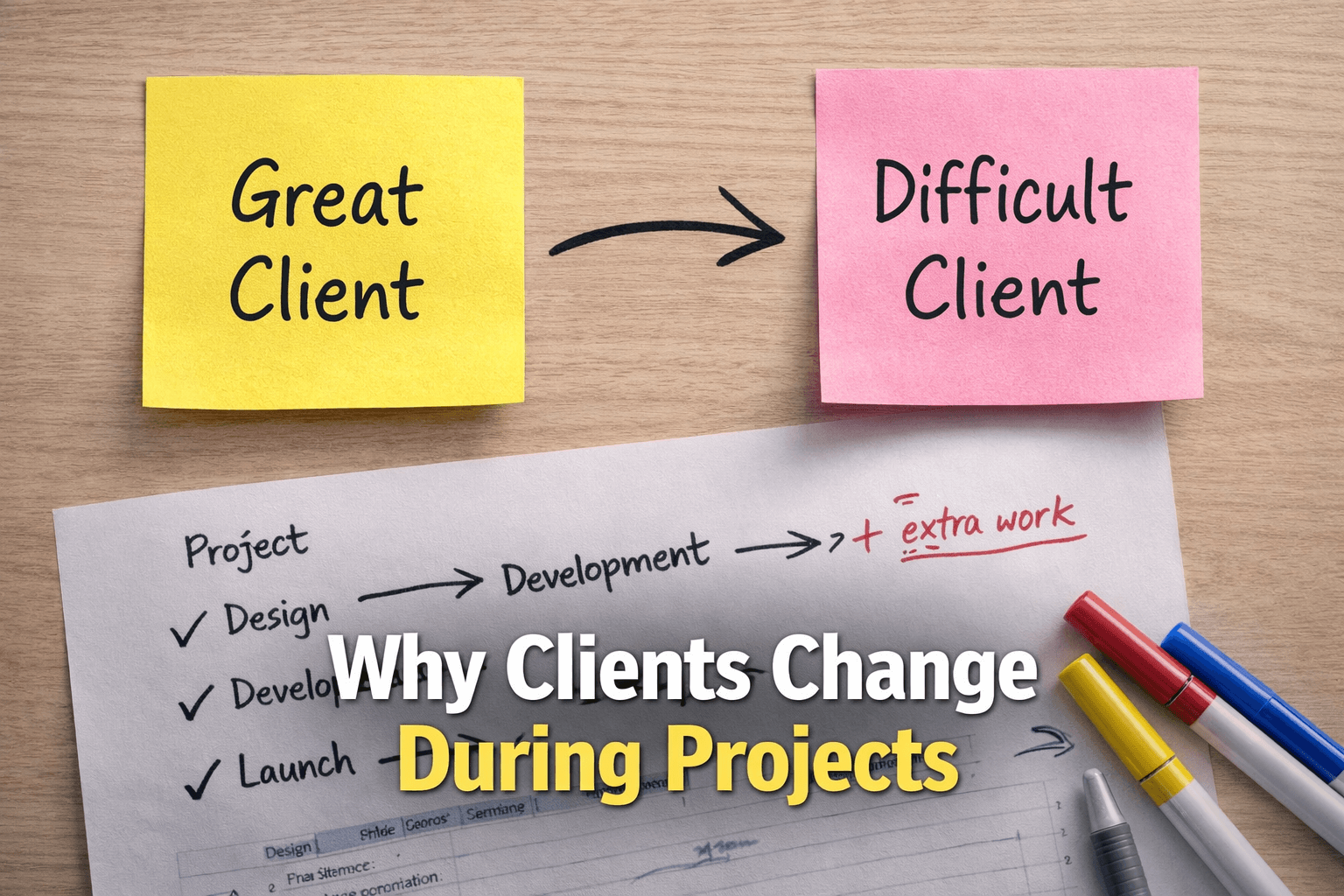
Yet somehow, within the first week, trust starts to crack — and it almost always comes down to a weak client onboarding system.
If you’ve ever felt a client go quiet, ask the same questions again, or lose confidence early on, this article is for you. In 2026, clients don’t lose trust because you lack skills. They lose trust because the onboarding process feels unclear.
Why the Client Onboarding System Matters in the First Week
The first 5–7 days after signing a client are critical.
This is when clients decide one thing:
Did I make the right choice?
If your onboarding feels slow, confusing, or unstructured, trust drops fast—even if your work is excellent.
I learned this the hard way.
ALSO READ
Can ChatGPT Really Replace Human Marketing Content?
How a Weak Client Onboarding System Cost Me Client Trust
A few years ago, I landed a great client.
The proposal was approved. The budget was locked.
But in the first week:
- The client kept asking basic questions
- Deadlines felt unclear
- Feedback sounded unsure
Nothing went “wrong,” yet something felt off.
That’s when I realized the truth:
I had no proper client onboarding system.
Why New Clients Lose Trust Without a Client Onboarding System
Client expectations in 2026 are very different.
They want:
- Speed
- Clarity
- Confidence
- Direction
When these are missing, trust fades.
Here are the most common reasons it happens.
1. No Clear Next Steps
After payment, silence kills trust.
Clients think:
What happens now?
If you don’t guide them, anxiety starts.
2. Unclear Scope and Deliverables
When expectations are not written clearly:
- Clients imagine more than promised
- Misunderstandings grow
- Revisions increase
This is one of the biggest client onboarding mistakes.
3. Too Many Tools, No System
Using random tools without a process feels messy.
Clients don’t care which tool you use.
They care about how organized you are.
4. Slow or Inconsistent Communication
Delayed replies in the first week send a bad signal.
Clients expect faster communication early on.
It builds confidence.
The Client Onboarding System I Use in 2026
Once I fixed onboarding, everything changed.
Here is the simple client onboarding system I now use for every project.
Step 1: Instant Welcome Message (Same Day)
As soon as the project starts, I send:
- A welcome note
- A short overview of what will happen next
- Clear timelines
This alone builds trust fast.
Step 2: Clear Onboarding Document
I share a short document that includes:
- Project scope
- Deliverables
- Timeline
- Communication rules
This removes confusion before it starts.
Step 3: One Simple Intake Form
Instead of long calls, I use a form.
It collects:
- Goals
- Preferences
- Access details
This keeps things smooth and professional.
Step 4: First Quick Win
Within the first week, I deliver something small:
- A draft
- A sample
- A roadmap
This proves progress and builds confidence.
Step 5: Set Communication Expectations
I clearly explain:
- Response time
- Update schedule
- Where communication happens
Clients relax when rules are clear.
Results After Using This Client Onboarding System
After applying this system:
- Fewer misunderstandings
- Faster approvals
- More confident clients
- Stronger long-term relationships
Most importantly, clients trust me earlier.
That changes everything.
How You Can Apply This Today
If you want to onboard new clients professionally in 2026:
- Create a repeatable onboarding process
- Guide clients step by step
- Remove uncertainty early
- Focus on clarity, not complexity
A strong client onboarding system is not optional anymore.
It is a trust-building tool.
Final Thoughts
Great work does not save bad onboarding.
But great onboarding protects good work.
If you want loyal, confident clients, fix the first week first.
That’s where trust is either built—or lost.
Start small.
Stay clear.
And let your onboarding system do the heavy lifting.
FAQs – Client Onboarding System in 2026
A client onboarding system is a step-by-step process that helps new clients understand the project, timelines, and communication from day one.
The first week shapes trust. Clear guidance early prevents confusion, stress, and client drop-off.
Freelancers should use welcome messages, clear documents, intake forms, and quick wins to build trust fast.
Poor communication, unclear scope, no structure, and delayed responses are the biggest mistakes.
Yes. Clear expectations and early alignment reduce misunderstandings and unnecessary revisions.