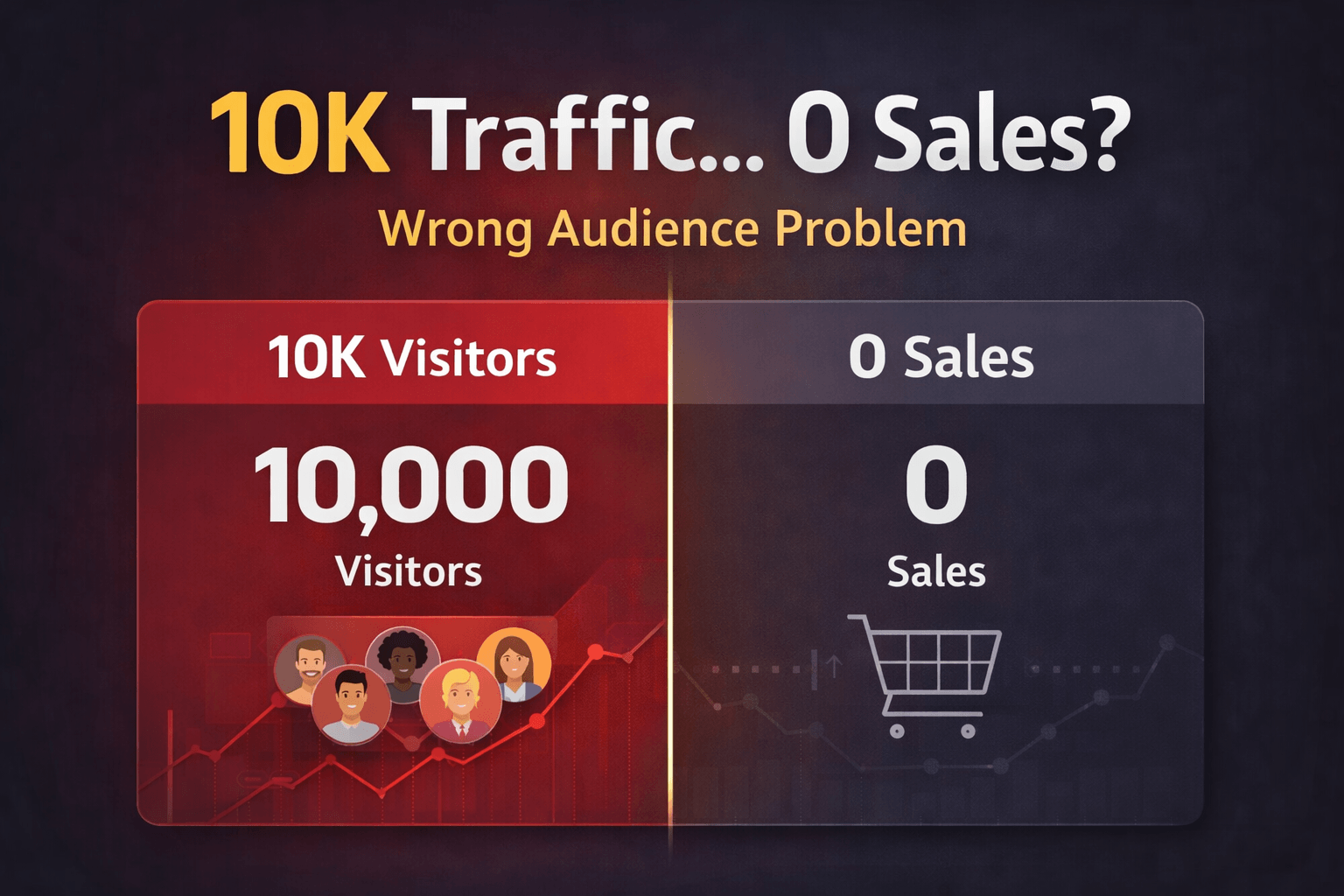
You spent hours writing that blog post. The design looks clean. The grammar is perfect. Yet your content marketing conversion rate is still embarrassingly low — and nobody is clicking, sharing, or buying.
Sound familiar? You’re not alone — and it’s not your writing that’s broken. It’s a trust gap that most creators completely ignore.
In 2026, readers have seen it all. AI-generated fluff, recycled tips, and clickbait headlines that deliver nothing. So when someone lands on your content, their guard is already up. The question they’re silently asking isn’t “Is this good?” — it’s “Can I actually trust this person?”
This article breaks down exactly why trustworthy content converts better, and what you can do about it starting today.
Why Good Content Still Fails in 2026
Here’s the hard truth. Publishing helpful content is no longer enough.
Google’s algorithm has shifted heavily toward E-E-A-T Experience, Expertise, Authoritativeness, and Trustworthiness. That means Google isn’t just looking at what you say. It’s looking at whether you’ve actually lived what you’re talking about.
And your readers? They feel that difference instantly.
A well-researched post by someone who has never used the product they’re reviewing will always feel hollow compared to a casual story from someone who has. Readers can’t explain why — they just click away.
Learn more
Content Marketing in 2026 (Complete Strategy Guide That Actually Works for Traffic & Sales)
The Content Marketing Conversion Rate Problem Nobody Talks About
Most marketers obsess over traffic. More visitors, more clicks, more impressions.
But here’s what the data actually shows:
- The average website conversion rate is around 2.35%
- Top-performing sites convert at 5–11%
- The difference is almost never design or copy length it’s credibility signals
When your content marketing conversion rate is low, the first place to look isn’t your headline formula. It’s whether your audience believes you.
ALSO READ
AI Content Is Flooding the Internet in 2026 Why Your Content Is Getting Ignored
What Is the “Trust Problem” and Why It’s Getting Worse
Think about the last time you bought something online from a brand you’d never heard of.
There was hesitation. Reviews were checked. Social media was reviewed. The name was searched with “scam” or “legit.”
Your readers do the same thing with your content.
In 2026, with AI-generated articles flooding every niche, real human trust has become the scarcest resource on the internet. If your content doesn’t feel like it came from a real person with real experience it gets ignored.
Learn more
Content Marketing Examples in 2026: What Works and Why Most Blogs Fail
5 Reasons Your Content Marketing Conversion Rate Is Still Low
1.You Sound Like Everyone Else
If your intro starts with “In today’s digital world…” stop right there.
Generic openings signal generic thinking. Readers skim the first two lines and make their decision. If they don’t feel a personal connection immediately, they’re gone.
Fix it: Open with a specific situation your reader has actually been in. Name the problem before you introduce yourself as the solution.
2.Why Proof of Experience Affects Your Content Marketing Conversion Rate
Telling people something works is weak. Showing them you’ve done it yourself is powerful.
This is the core of E-E-A-T. Google and your audience both want evidence that you’ve been in the trenches not just read about them.
Fix it: Add personal examples, behind-the-scenes details, or even honest failures. Real stories build real trust.
3.Your Content Has No Personality
Perfectly polished content often feels like it was written by a committee or a robot.
Readers don’t want a manual. They want a conversation. They want to feel like they’re getting advice from a smart friend, not reading a Wikipedia article.
Fix it: Write how you actually talk. Use contractions. Ask questions. Let your opinions show.
4.You’re Skipping Social Proof
Would you try a restaurant with zero reviews? Neither would your readers.
If your content has no testimonials, case studies, comments, or mentions it feels unverified. Even one real quote from a real person changes the entire tone.
Fix it: Add screenshots, results, user feedback, or even your own tracked data. Numbers and faces build instant credibility.
5.Your CTAs Feel Pushy, Not Helpful
“Buy now.” “Sign up today.” “Don’t miss out.”
These phrases trigger resistance, not action. Especially when the reader hasn’t fully decided they trust you yet.
Fix it: Make your call-to-action feel like a natural next step not a sales pitch. Frame it around what they get, not what you want.
How to Fix Your Content Marketing Conversion Rate for Good
Lead With Empathy, Not Authority
Don’t start by telling people how great you are. Start by proving you understand their problem.
The moment a reader thinks “this person gets it,” your content marketing conversion rate starts climbing. Empathy is the first step of trust.
Use the “Yes Ladder” Technique
Get small agreements early in your content.
Make statements your reader naturally nods along to. By the time you reach your CTA, they’re already in agreement mode. Small yeses lead to big yeses.
Be Honest About Limitations
This sounds counterintuitive, but it works.
Admitting that something isn’t perfect or isn’t right for everyone builds massive credibility. It signals that you’re not just selling. You’re actually trying to help.
Real-World Example — How One Fix Doubled the Content Marketing Conversion Rate
A content creator in the personal finance space was averaging around 1.8% conversion on their email opt-in articles. The content was solid. The design was clean.
After one change adding a short personal story about a financial mistake they made in their 20s — conversions jumped to 4.3% in three weeks.
Nothing else changed. Same traffic, same offer, same layout.
The only difference? Readers suddenly felt like they were dealing with a real human being who had actually struggled. That’s the trust problem and that’s how powerful fixing it can be.
Conclusion
Your content marketing conversion rate isn’t low because you’re a bad writer. It’s low because trust is the real currency of content in 2026 and most creators are still spending it carelessly.
Fix the trust gap, and everything changes. Words carry more weight. CTAs get more clicks. The audience becomes a community.
Start small. Add one personal story. Drop one relatable example. Admit one limitation. You’ll be surprised how fast readers respond when they finally feel like you’re talking with them not at them.
The content game hasn’t gotten harder. It’s just gotten more human.
FAQs
A. High traffic with low conversions usually means a trust gap. Readers aren’t convinced yet that you’re credible or that your content applies to their situation. Focus on social proof, personal examples, and empathy-led writing.
A. Google’s E-E-A-T framework rewards content that demonstrates real-world experience and expertise. If your content lacks personal insights or proof, it may rank lower — and even if it ranks, readers may not convert.
A. Add one real story or result to your top-performing article today. Even a single authentic example can dramatically shift how readers perceive your credibility.
A. Absolutely. A conversational, friendly tone feels more human and approachable. Formal or robotic writing creates distance — and distance kills conversions.
A. Revisit high-traffic articles every 3–6 months. Update outdated stats, add new examples, and refresh your CTAs. Fresh, accurate content signals ongoing expertise to both readers and search engines.